
Clearing out the rhizomes by hand 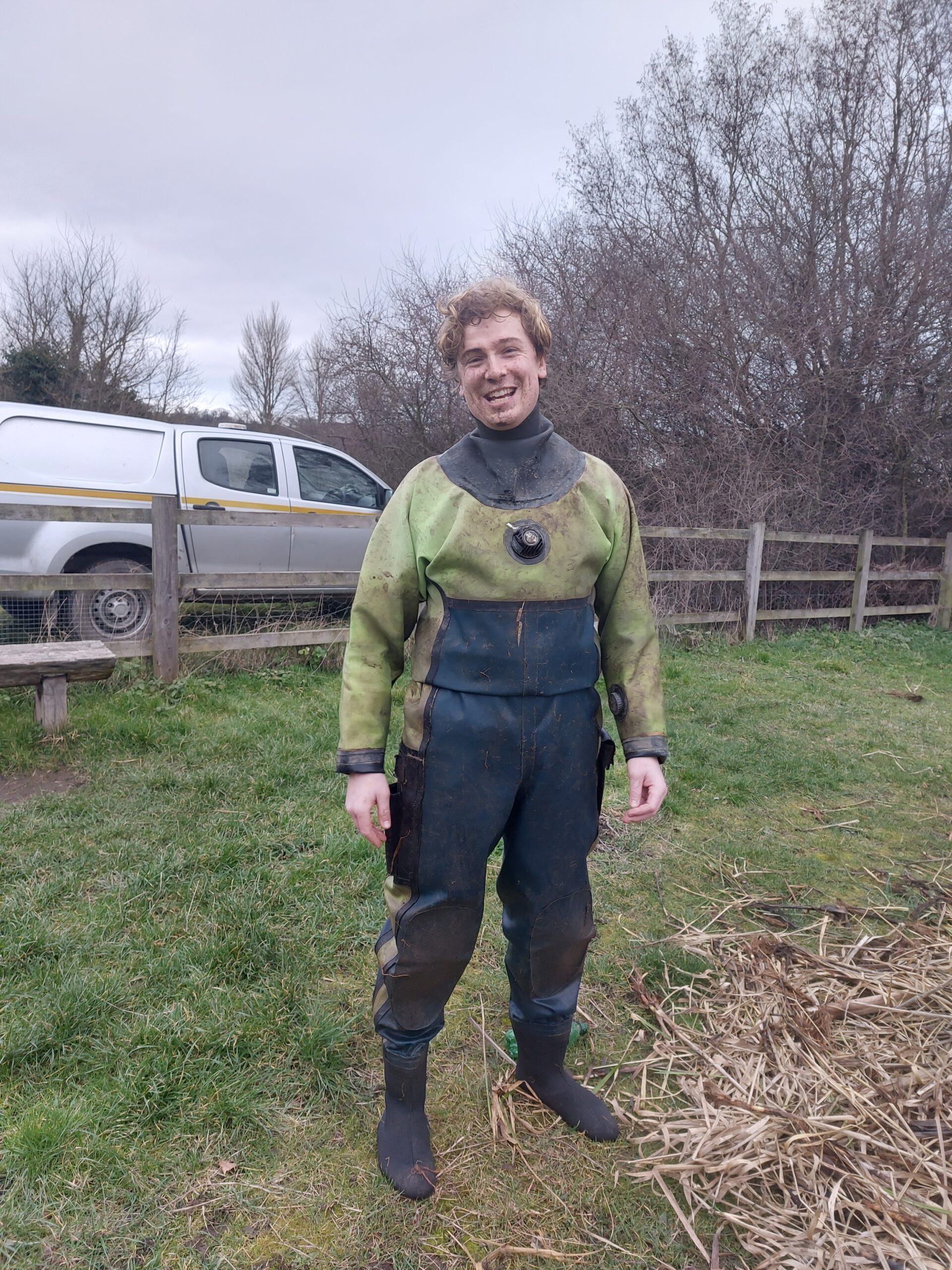
It’s a mucky job…. 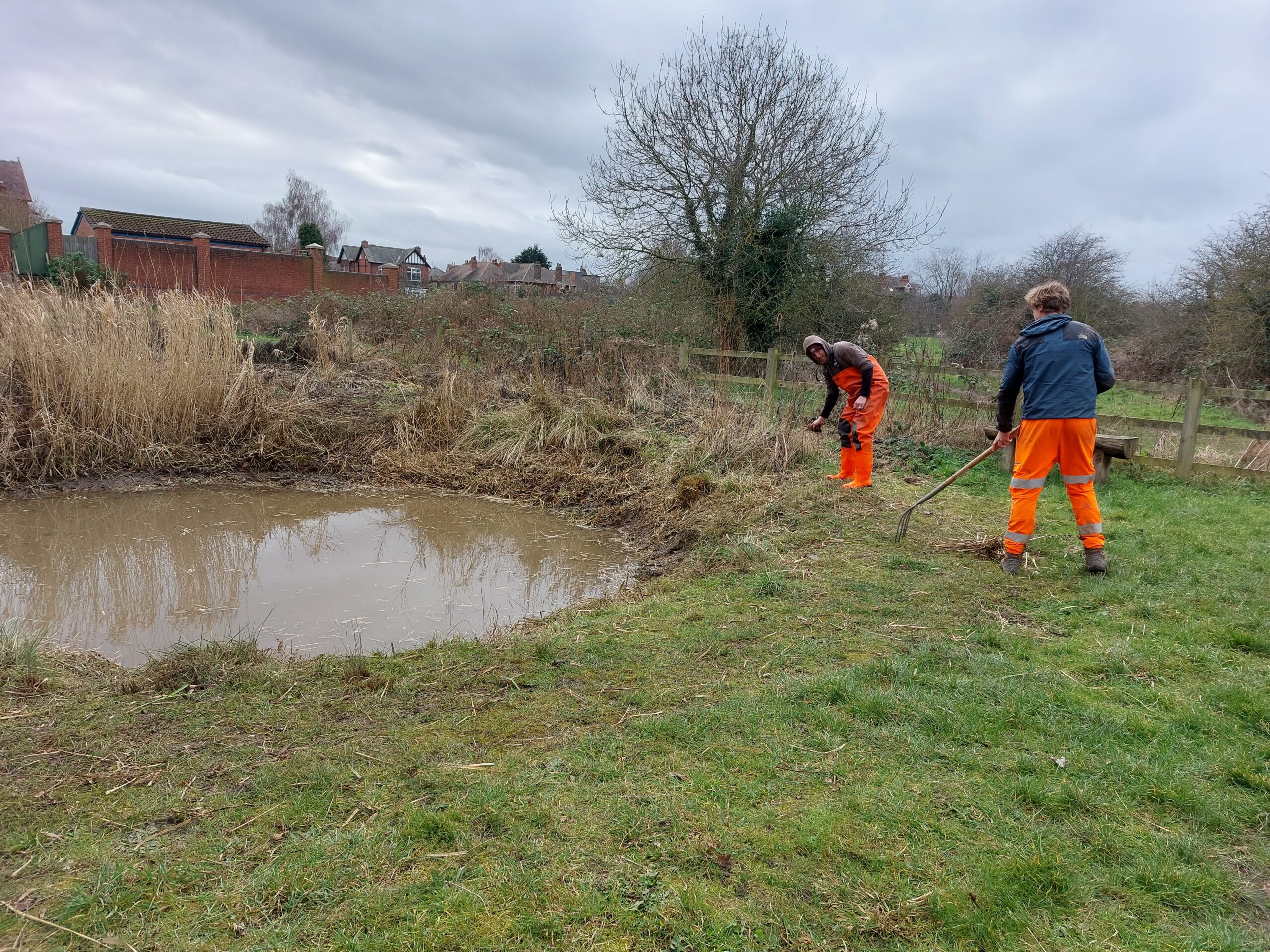
Seeding the banks
Category: Uncategorized
Record Butterfly Count

Essex Skipper Mating 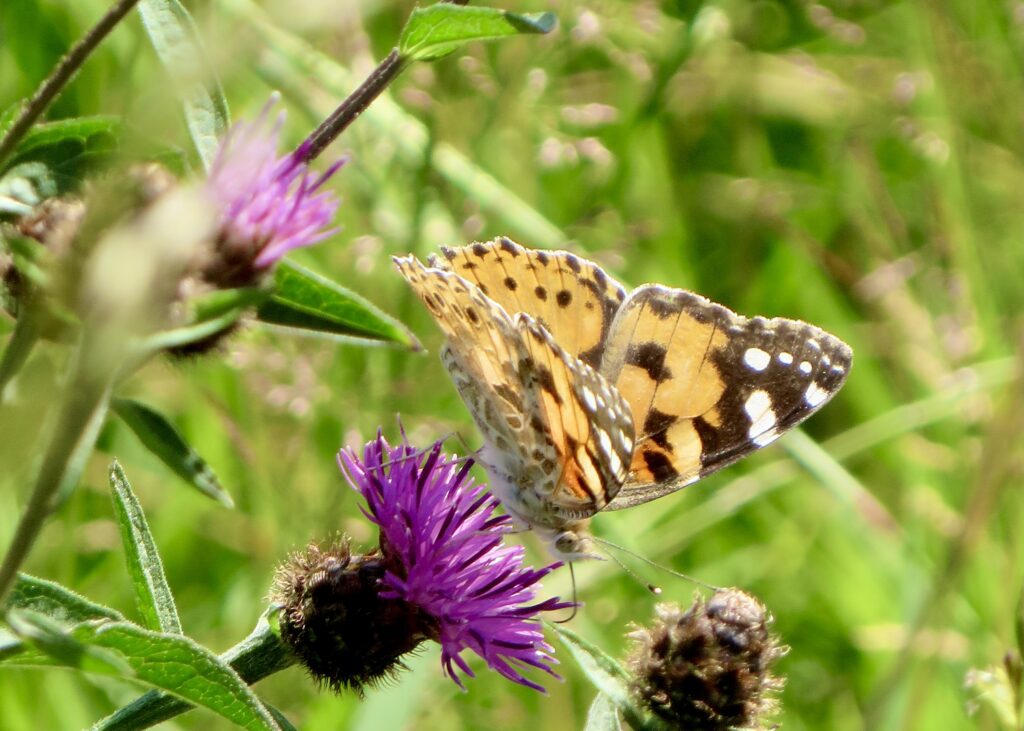
Painted Lady 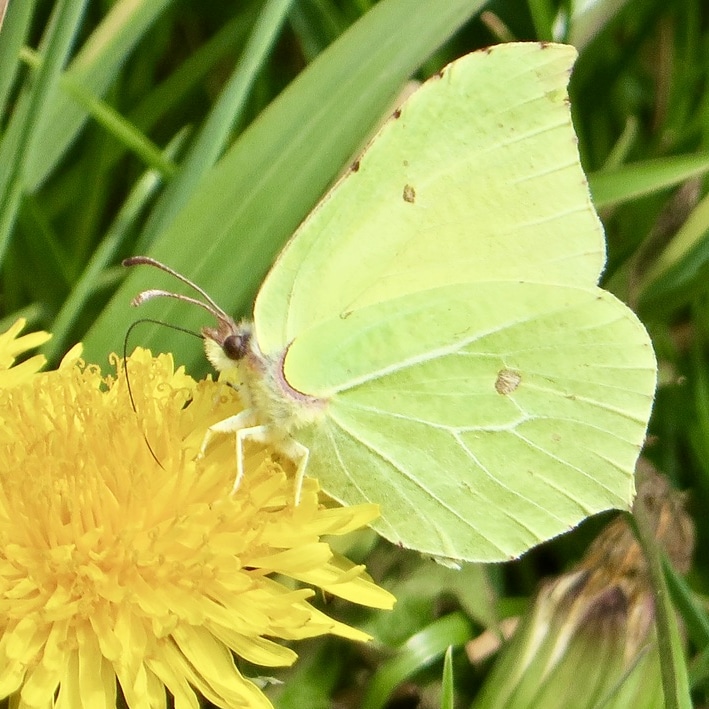
Brimstone 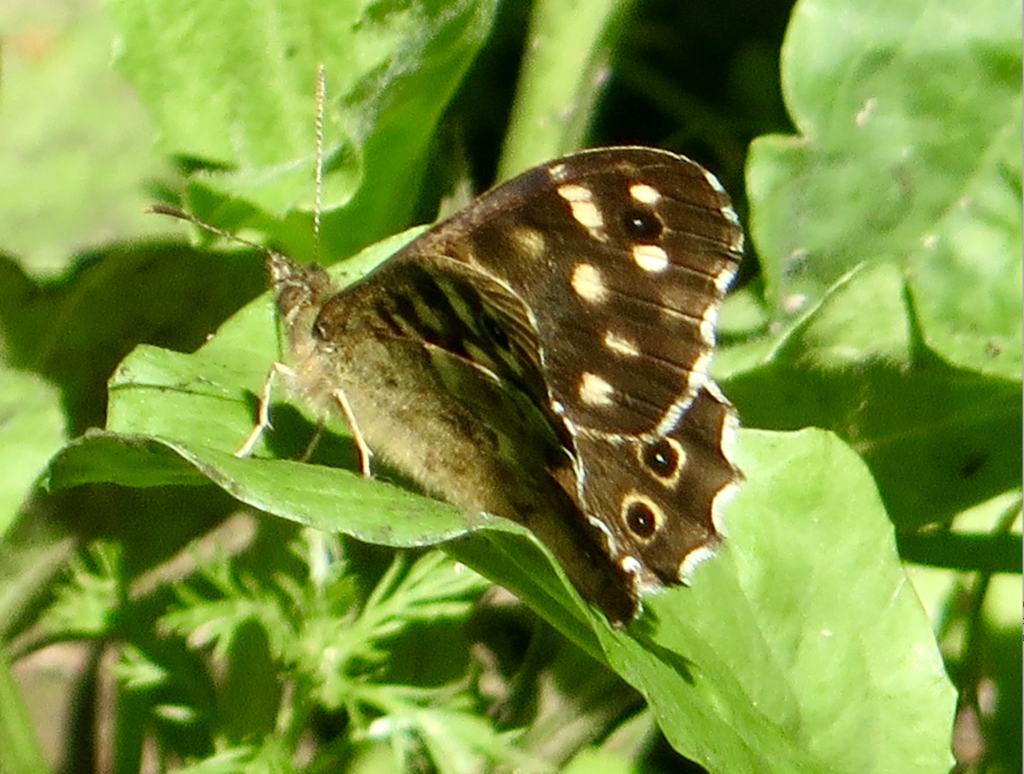
Speckled Wood 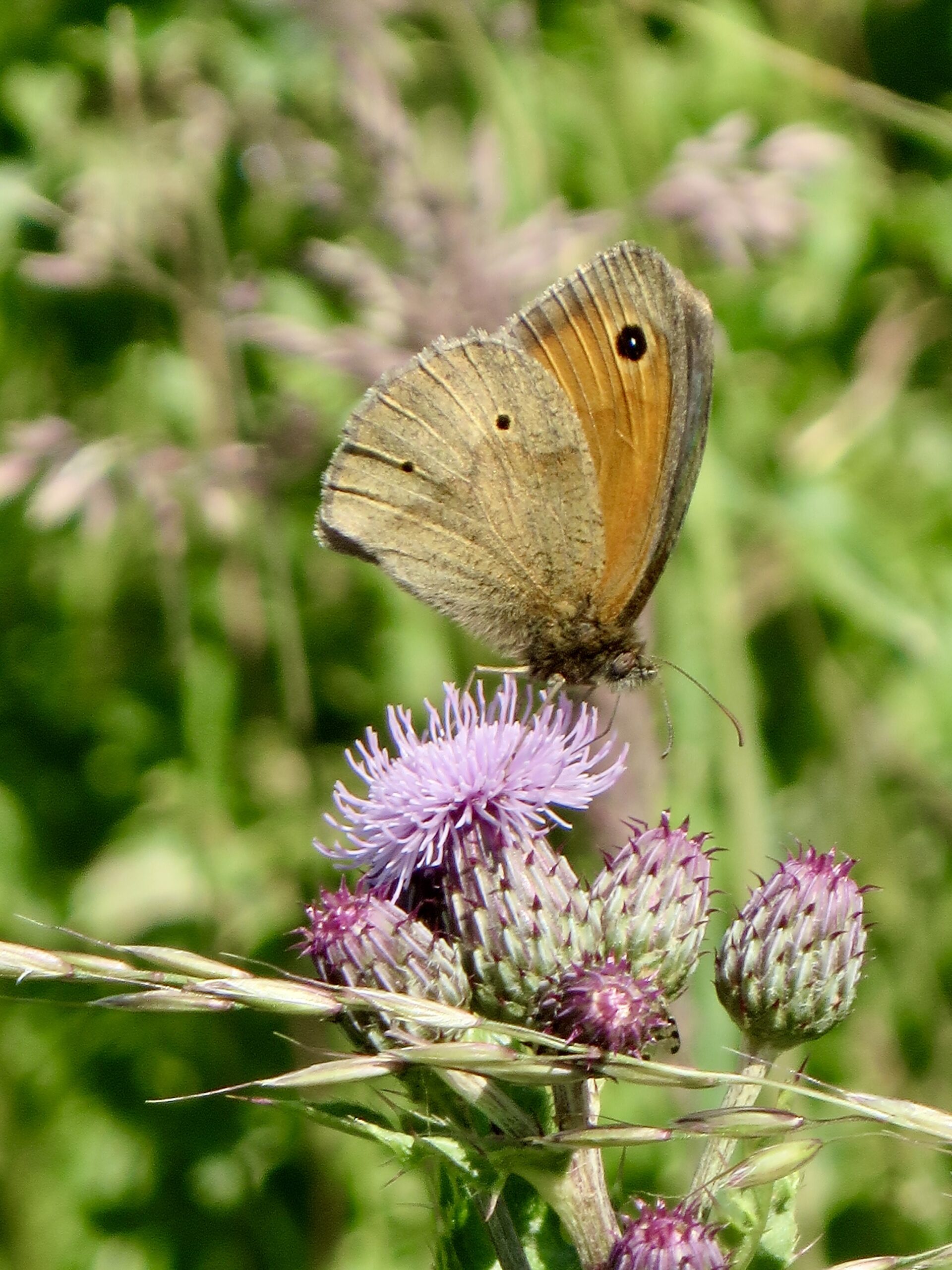
Meadow Brown 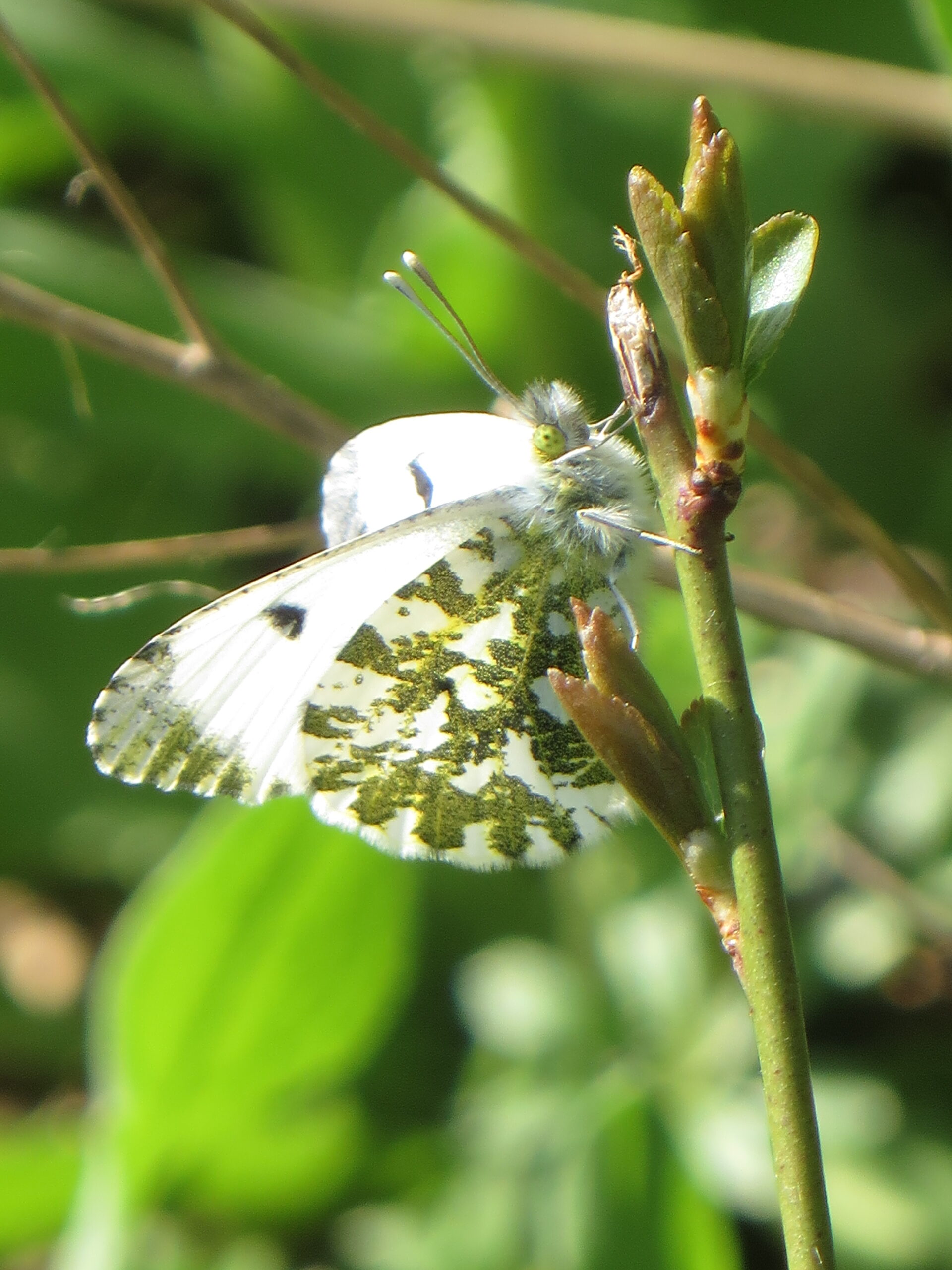
Female Orange Tip
A record 117 butterflies were seen on July 21st on our weekly survey of butterflies on The Hook nature reserve. After a really tough start to the year, with very poor conditions for caterpillars and numbers of butterflies well down on last year, things have improved significantly in July. We have already seen the 17 species we saw last year and in addition a Painted Lady and, most excitingly, an Essex Skipper. The latter is not a common species in this area, and is difficult to distinguish from a small skipper, but our identification has been confirmed by the Notts butterfly coordinator. The other species seen are: Brimstone, Small Tortoiseshell, Peacock, Small White, Large White, Green Veined White, Meadow Brown, Orange Tip, Holly Blue, Common Blue, Speckled Wood, Small Skipper, Large Skipper, Red Admiral, Comma, Ringlet, Gatekeeper. Thanks to Dave Pratt for leading the survey and Annette Roe for the photographs.
Wildflower Trail
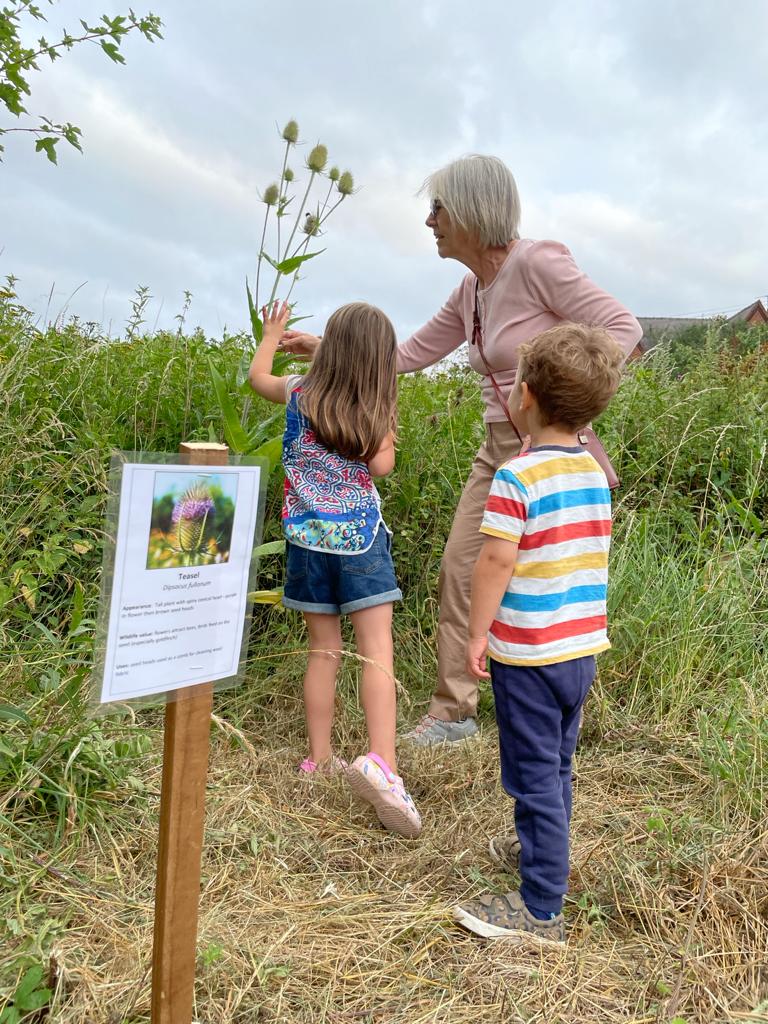
Testing a teasel 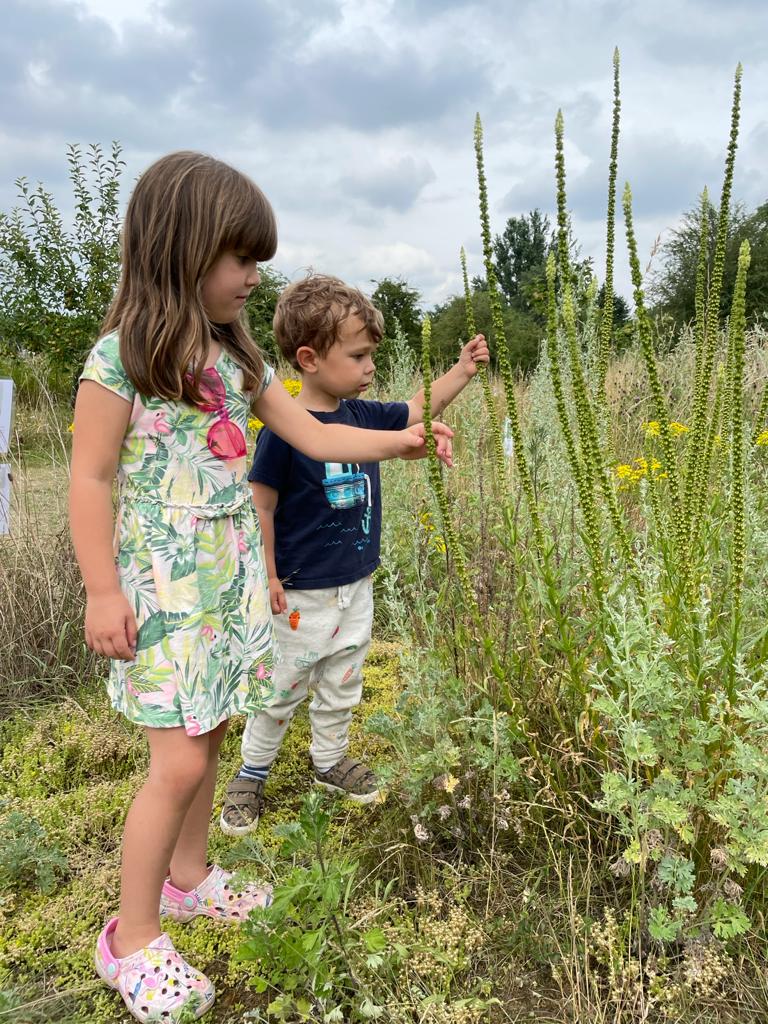
Seed pods of Dyer’s Weed 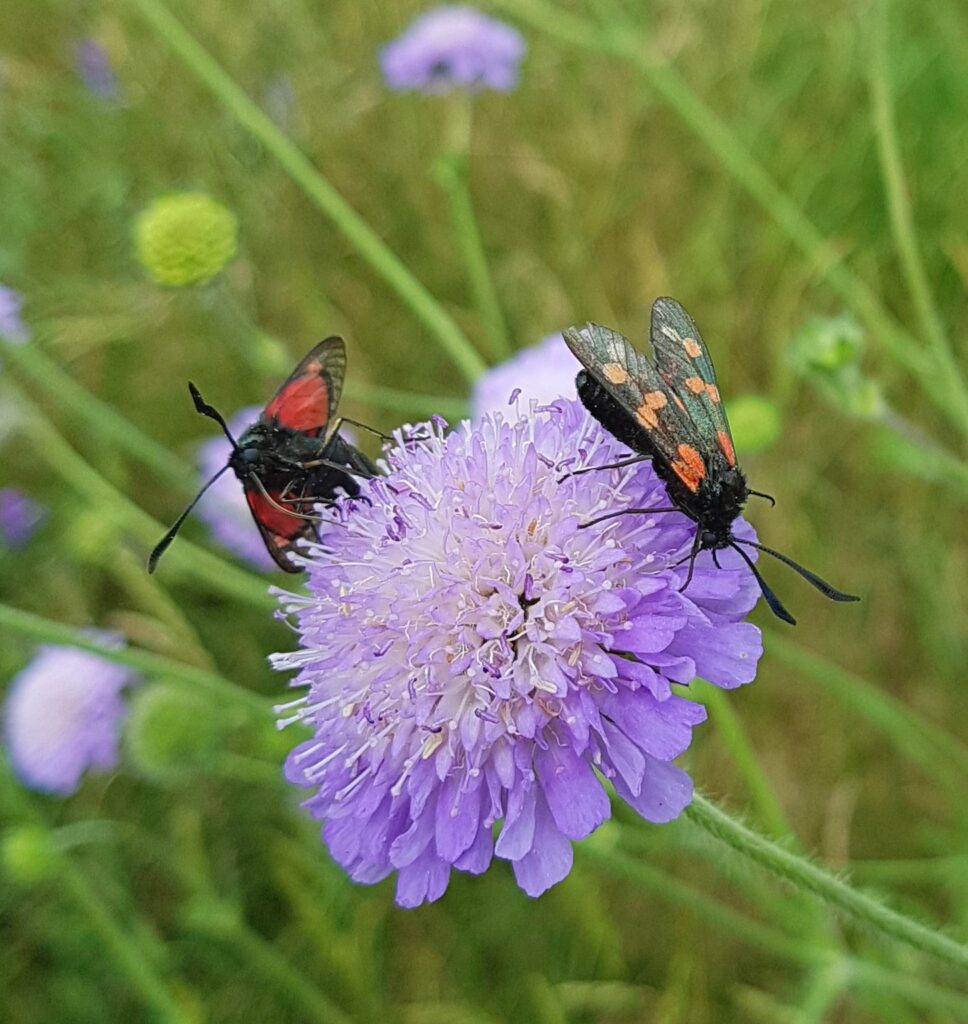
Six-spotted Burnett Moth on Field Scabious 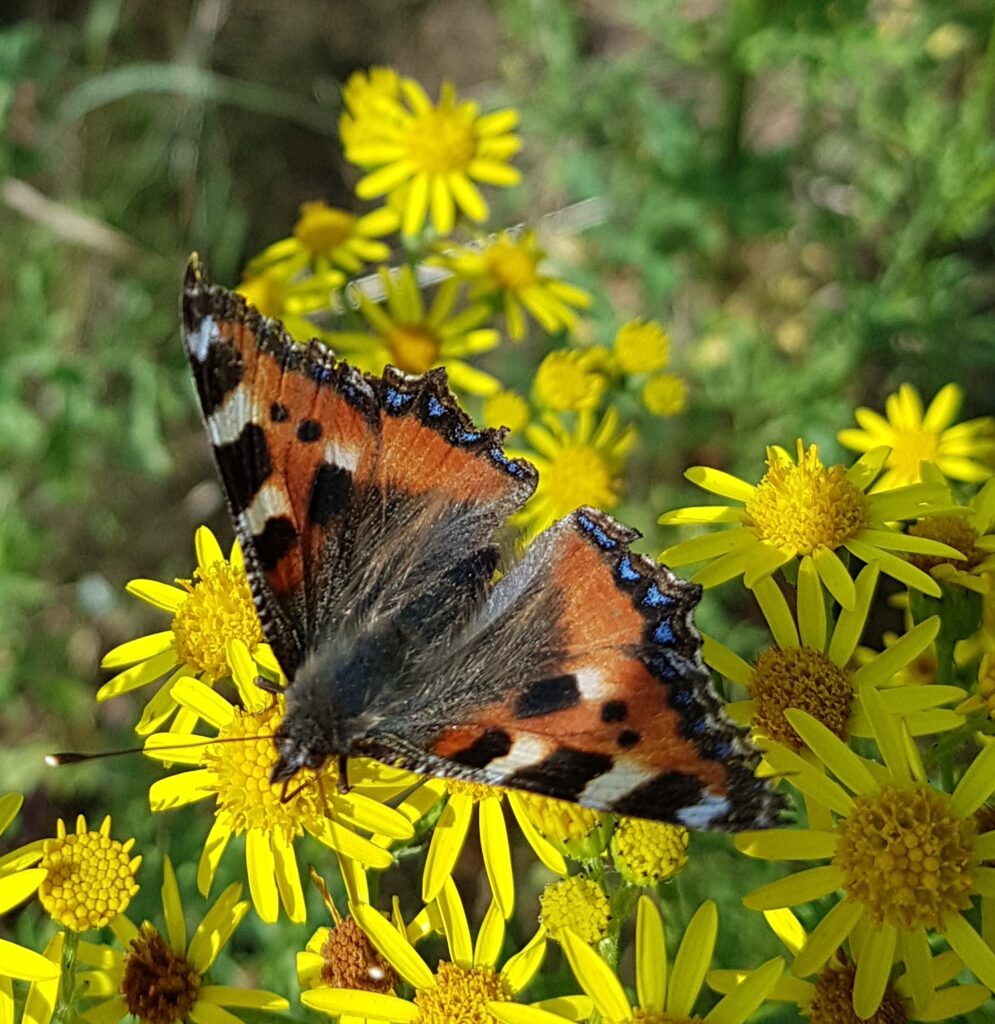
Small Tortoiseshell on Ragwort 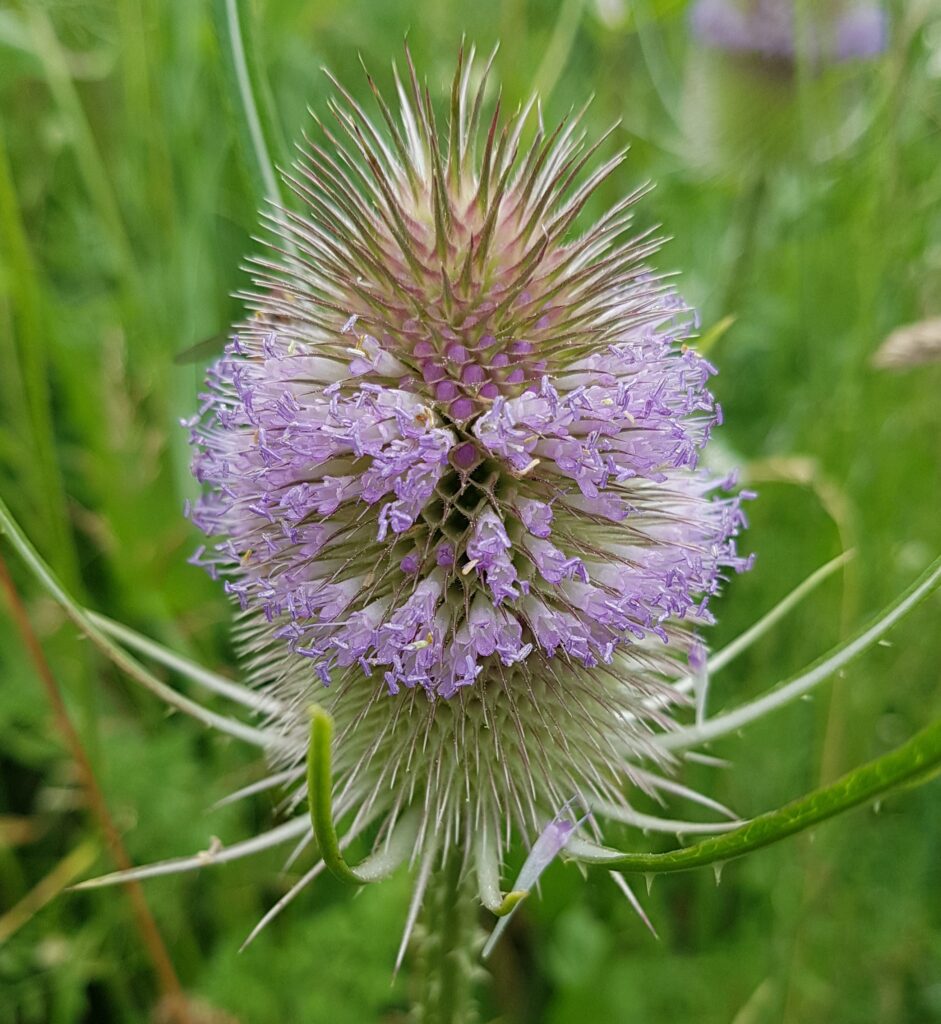
Teasel 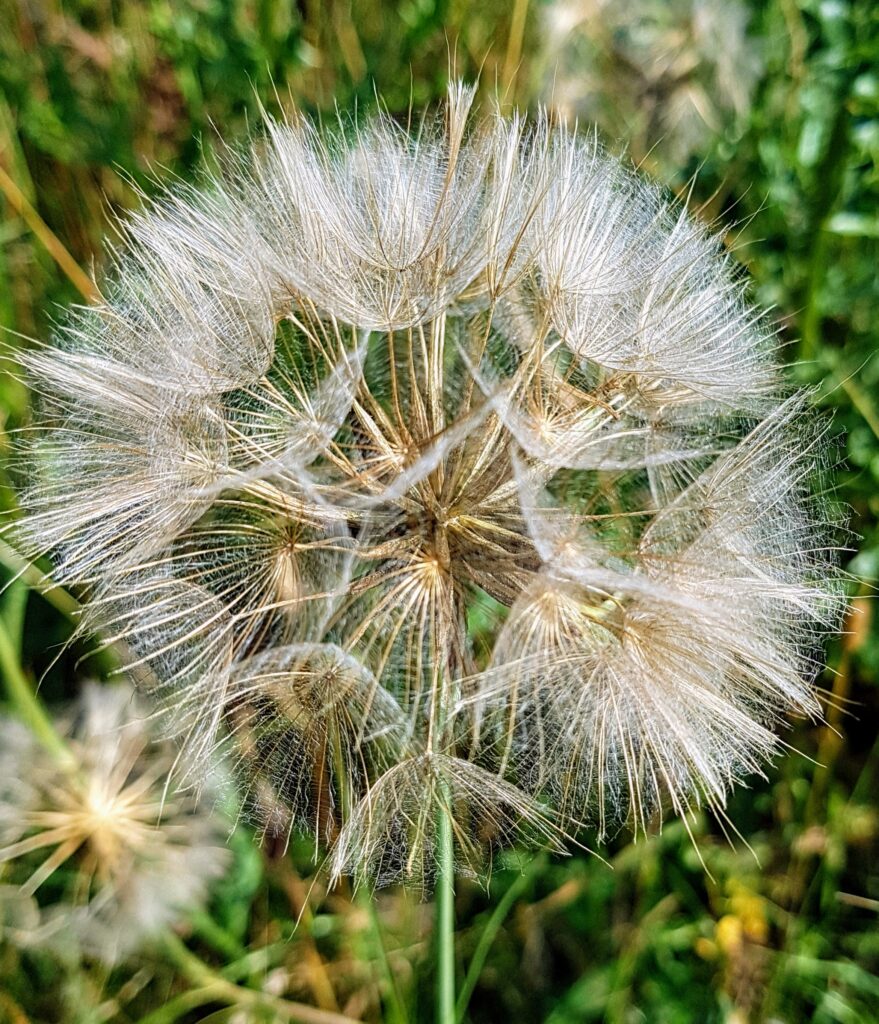
Jack Go to Bed at Noon
Enjoy a self-guided trailed through The Hook Nature Reserve and learn about the wildflowers – their name, value to wildlife and a bit about their use over time. The trail starts at the Mona Road entrance and will stay up for a week from 24th July to 1st August 2021
A Meadow for Marlene
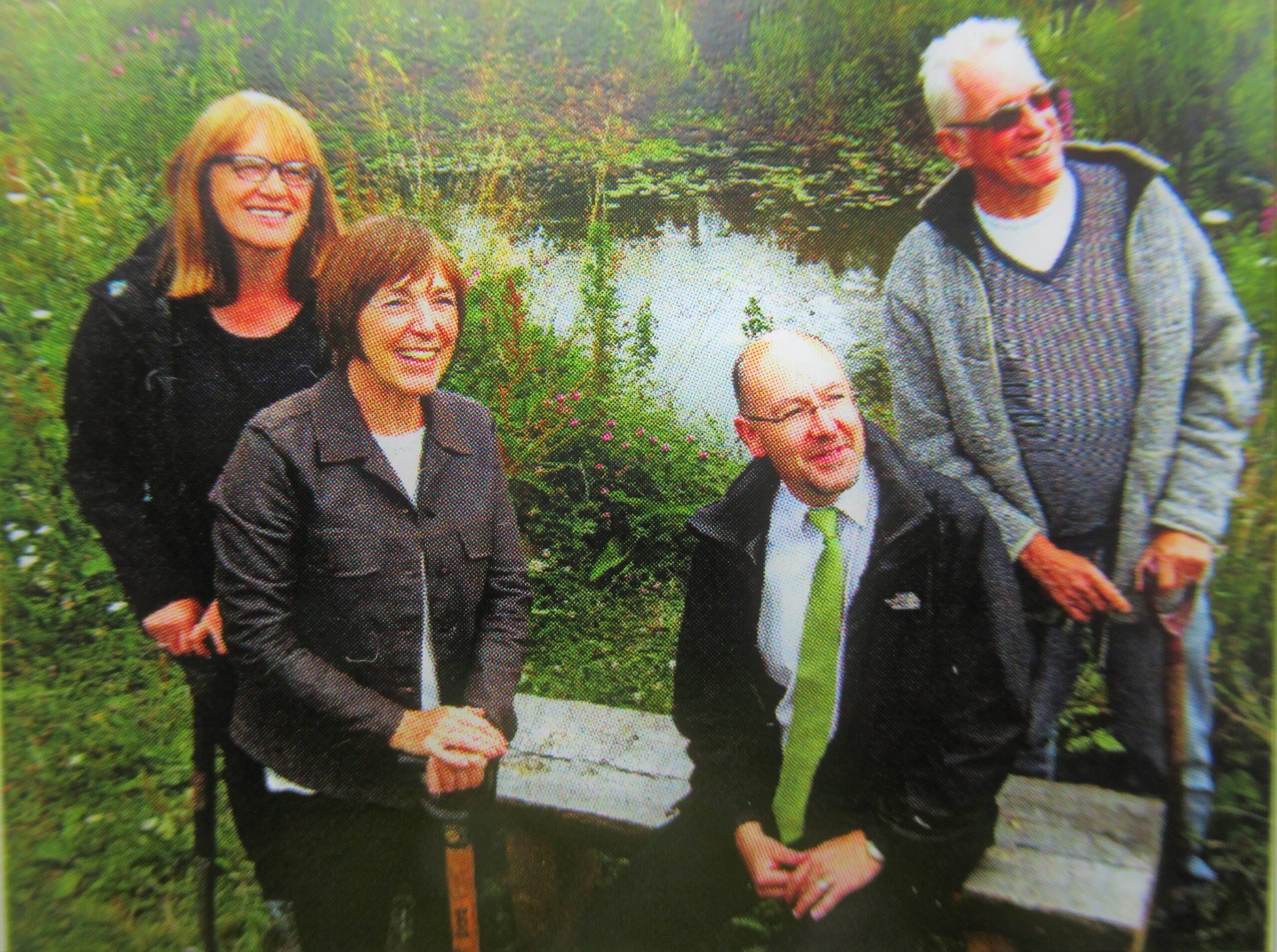
Marlene Cassidy was a founder member of Friends of The Hook and was very involved in the planning to establish The Hook as a nature reserve. She was an active member until ill health meant she had to step back from active duties, although she continued to keep in touch and walked her dog Dusty on The Hook every day. Marlene is pictured on the left in the picture.
After Marlene passed away in April 2021 her friends, with the support of her family, decided that they would like to set up a memorial to raise funds to create a meadow on The Hook in her memory. Here is the link:
https://www.justgiving.com/crowdfunding/Marlenesmeadow
This fundraising effort is being led by Margaret Crittenden, a botanist, who is working closely with us and putting us in contact with other botanist experts. Thanks to Margaret, we have David Wood, County Recorder, coming to survey plant life on The Hook. We will also be able to get advice from Mark Woods BSBI recorder on how best to improve the meadows.
The money Margaret is raising will focus on the end of ‘Wildflower Walk’ near the Holme Grove path and will also hopefully fund interpretation boards.
100 Native Shrubs Planted
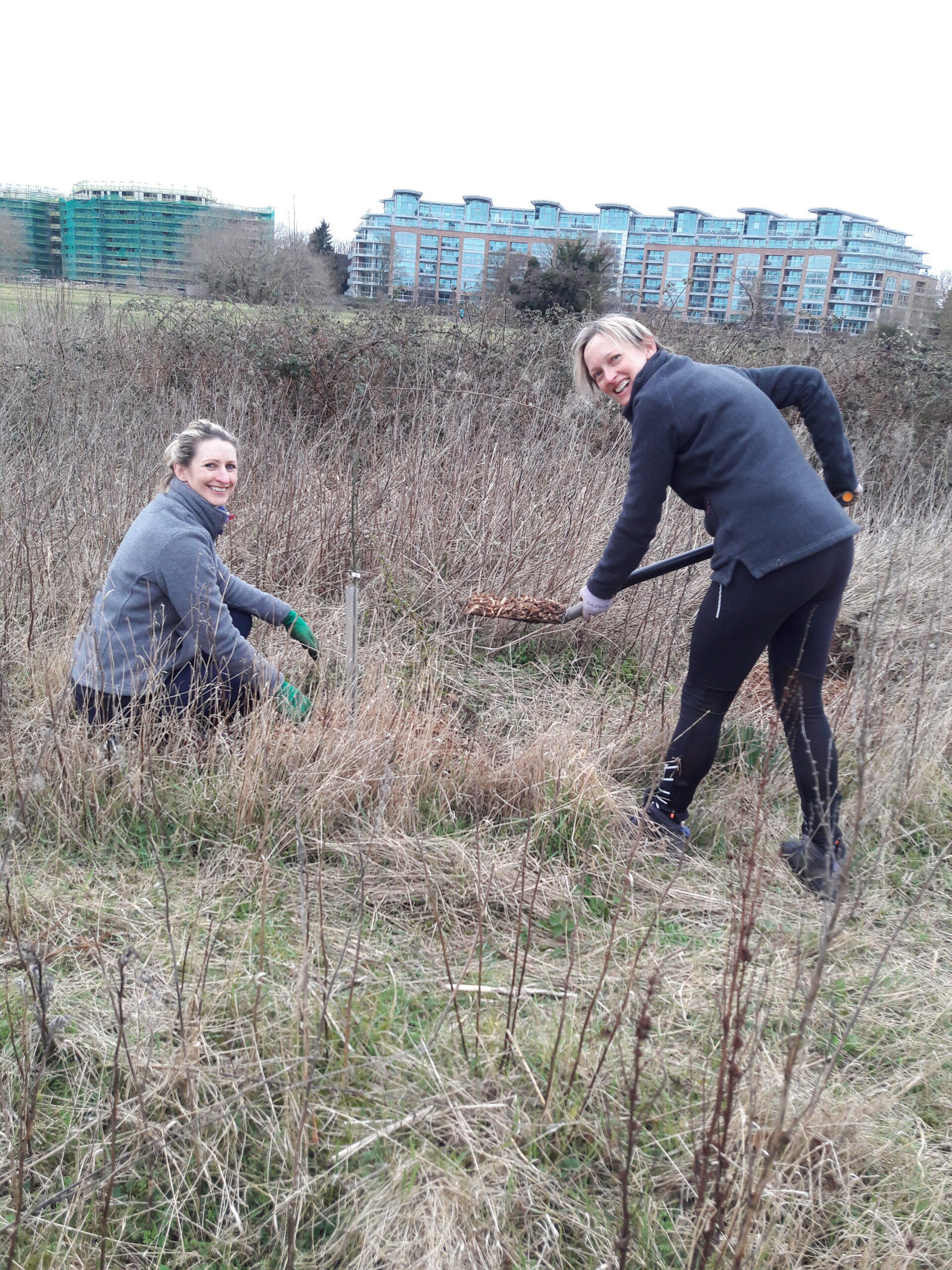
Suz and Stic hard at work
A huge thank you to all the volunteers who helped plant 100 native shrubs on The Hook Nature reserve. Lots of new people stepped forward to help and organised friends and family to join them. The shrubs are threaded throughout the central part of the reserve and along by the dyke and are part of the plan to create a wildflower walk. The shrubs will provide food for insects, flowers for pollinators and berries for birds, all with the aim of increasing the biodiversity of The Hook.
The shrubs planted are:
Four different sorts of wild rose – Sweet Briar, Scotch Burnet, Field and Dog Rose
Alder Buckthorn – food plant of the Brimstone butterfly, berries loved by thrushes.
Guelder Rose – white flowers, followed by red berries loved by birds.
Spindleberry – small green flowers loved by bees, unusual red and orange fruits.
Cherry plum – early flowering from Feb- May, small red/purple plums. Good for nesting bird
75 Bird Species spotted in 2020
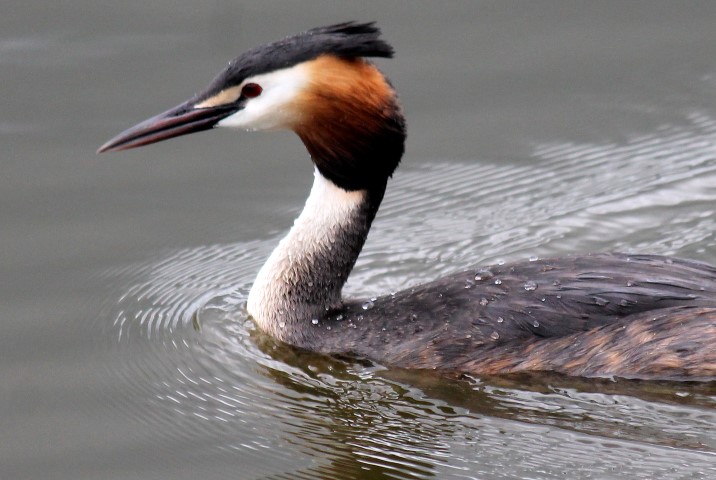
Birdlife of The Hook – Report by Keith Rainford of Lady Bay Birdwatchers
A total of 75 species of birds has been seen on or from the Hook Nature Reserve in 2020. The pandemic has interrupted the regular Hook Watch bird walks by Lady Bay Birdwatchers, but we managed to make 31 visits in all by small groups of between two and six people throughout the year. The visits were all made on a Saturday morning between 08.00 and 09.30. This was basically to achieve some consistency in the reporting of birds through the seasons. The walks generally comprised a single route from Holme Grove, through the centre of The Hook and a return along the northern edge with a stop along the River Trent.
No assessment has been made of how attractive each part of the area was to birds, but it was noticed on a number of occasions that activity varied significantly; sometimes the eastern half would be full of birds and the western half quiet and then the following week vice versa. On a number of occasions fluctuations in bird numbers were noticeable, particularly and not surprisingly at migration time. The autumn period was again very interesting as it became obvious that (we assume migrant) Robins and Blackbirds had swelled the numbers present in the area. On other occasions it was noted that some birds were strangely absent.
There were many highlights throughout the year, including the extended stays of the rarer warblers, the passing through of Red Kites and the presence of Water Rail and Snipe but without doubt top spot goes to two Spotted Flycatchers seen on 24 August; a superb sighting and totally unexpected.
I think it can safely be said that The Hook is a wonderful place of variety and interest.
List
The list of birds seen on or from The Hook in 2020 in addition to those seen in 2019 is as follows:
Little Grebe, Great Crested Grebe, Pink-footed Goose, Goosander, Red Kite, Snipe, Common Sandpiper, Herring Gull, Skylark, Cetti’s Warbler, Spotted Flycatcher, Goldcrest
The 2019 list is:
Blackbird, Blue Tit, Black-headed Gull, Blackcap, Bullfinch, Buzzard, Cormorant, Canada Goose, Coal Tit, Common Gull, Common Tern, Chaffinch, Chiffchaff, Carrion Crow, Collared Dove, Dunnock, Egyptian Goose, Feral Pigeon, Fieldfare, Garden Warbler, Great Spotted Woodpecker, Great Tit, Greenfinch, Green Woodpecker, Greylag, Grey Heron, Goldfinch, Great Black-backed Gull, House Martin, House Sparrow, Jackdaw, Jay, Kestrel, Kingfisher, Lesser Black-backed Gull, Lesser Whitethroat, Linnet, Long-tailed Tit, Mallard, Mistle Thrush, Moorhen, Mute Swan, Magpie, Oystercatcher, Pheasant, Pied Wagtail, Redwing, Reed Bunting, Robin, Rook, Sedge Warbler, Song Thrush, Sand Martin, Sparrowhawk, Starling, Swallow, Swift, Tufted Duck, Water Rail, Wren, Whitethroat, Willow Warbler, Woodpigeon
A total of 75 species.
Other birds prior to 2019 are Grasshopper Warbler and Merlin which bring the overall total to 77 species.
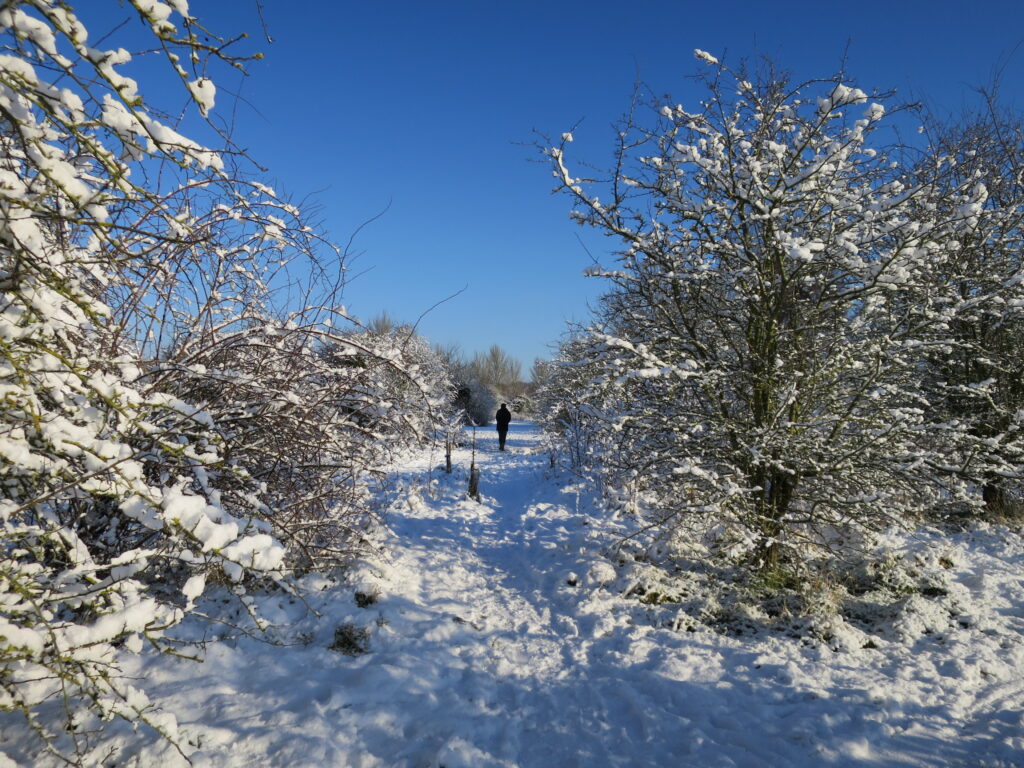
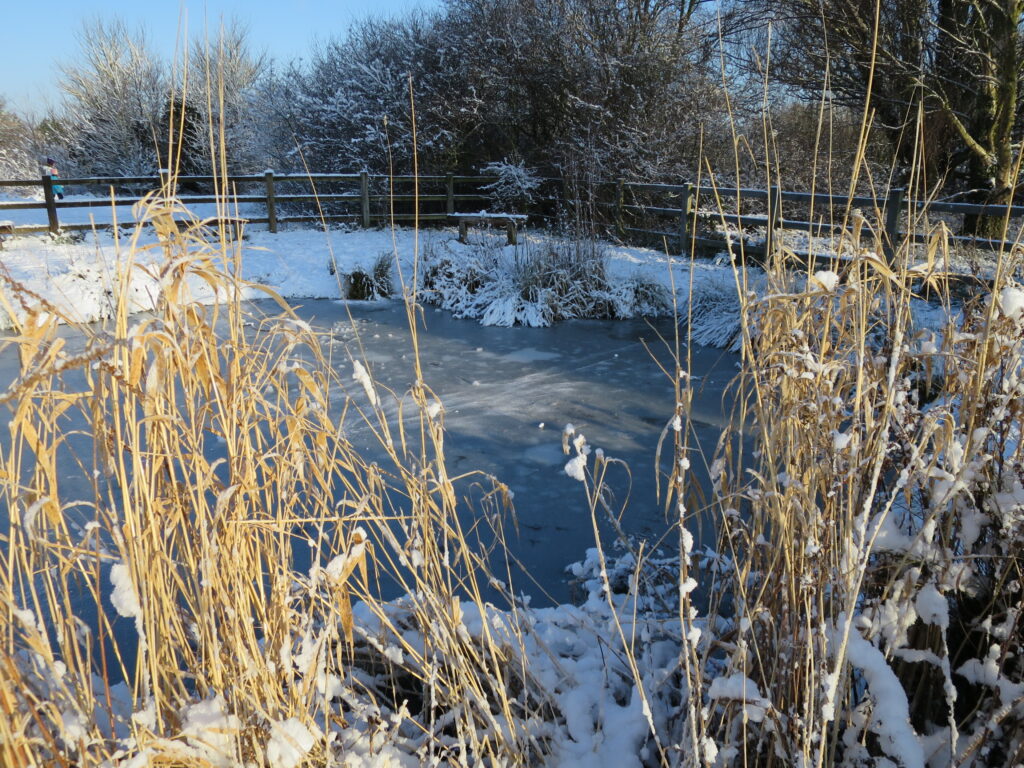
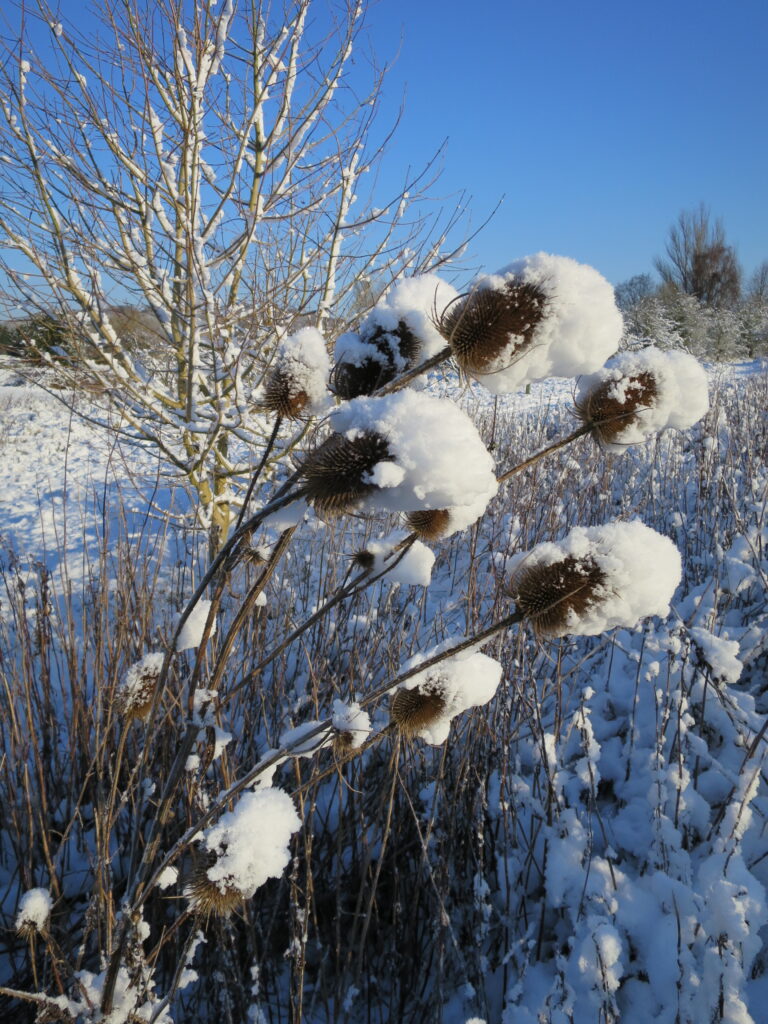
After The Snow 25th January 2021
A Gift for The New Year January 2021
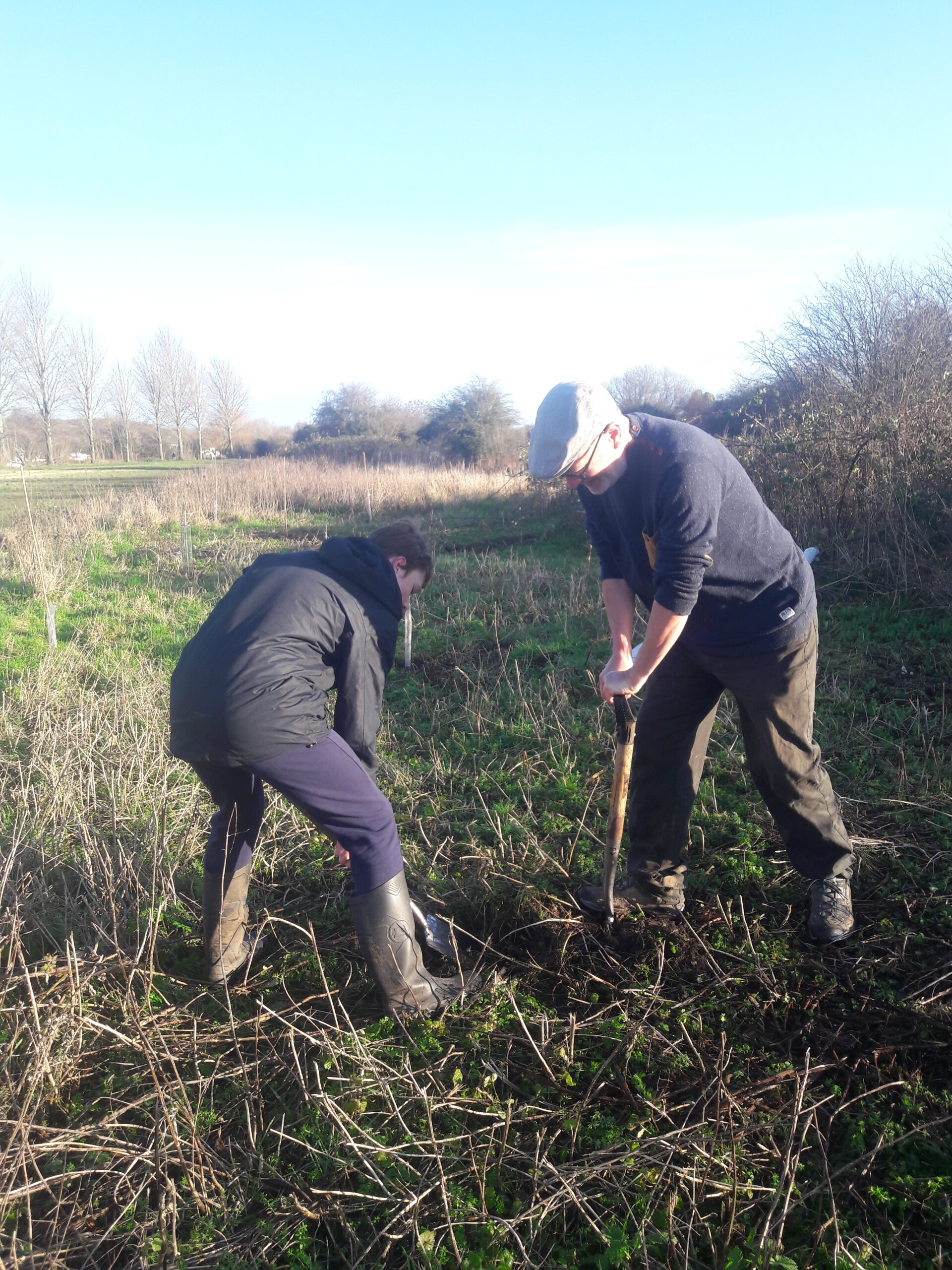
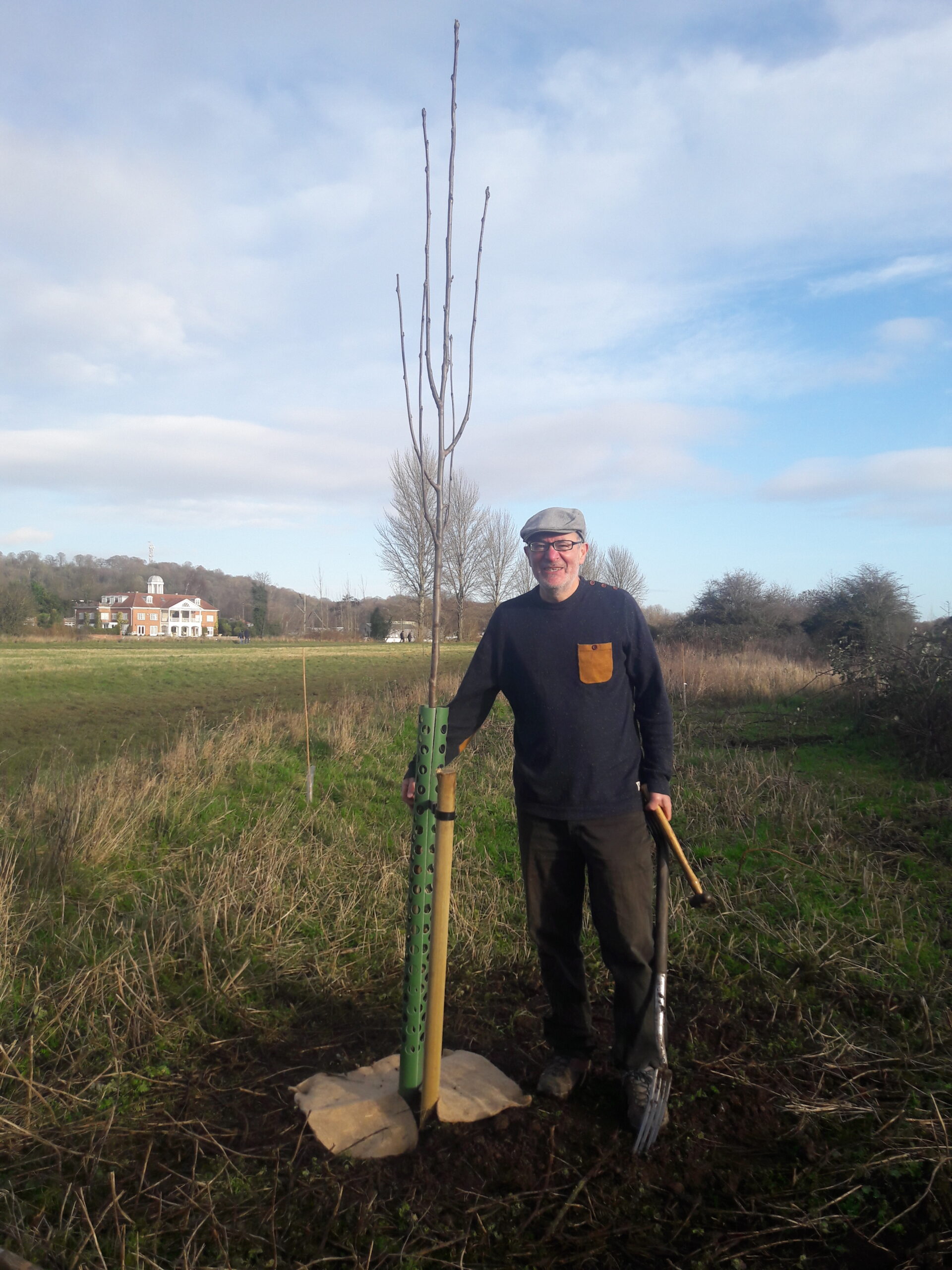
A splendid gift for The Hook Nature Reserve. Many thanks to Nick Stevenson and family for this rowan tree. The whole family pitched in, prepared the ground dug the hole and planted the tree.
It will have scented white flowers in spring and bright red berries in the summer – great for wildlife – and will give much pleasure over the coming years. It’s on the north bank of the dyke near the other newly planted saplings.
Christmas 2020 Style
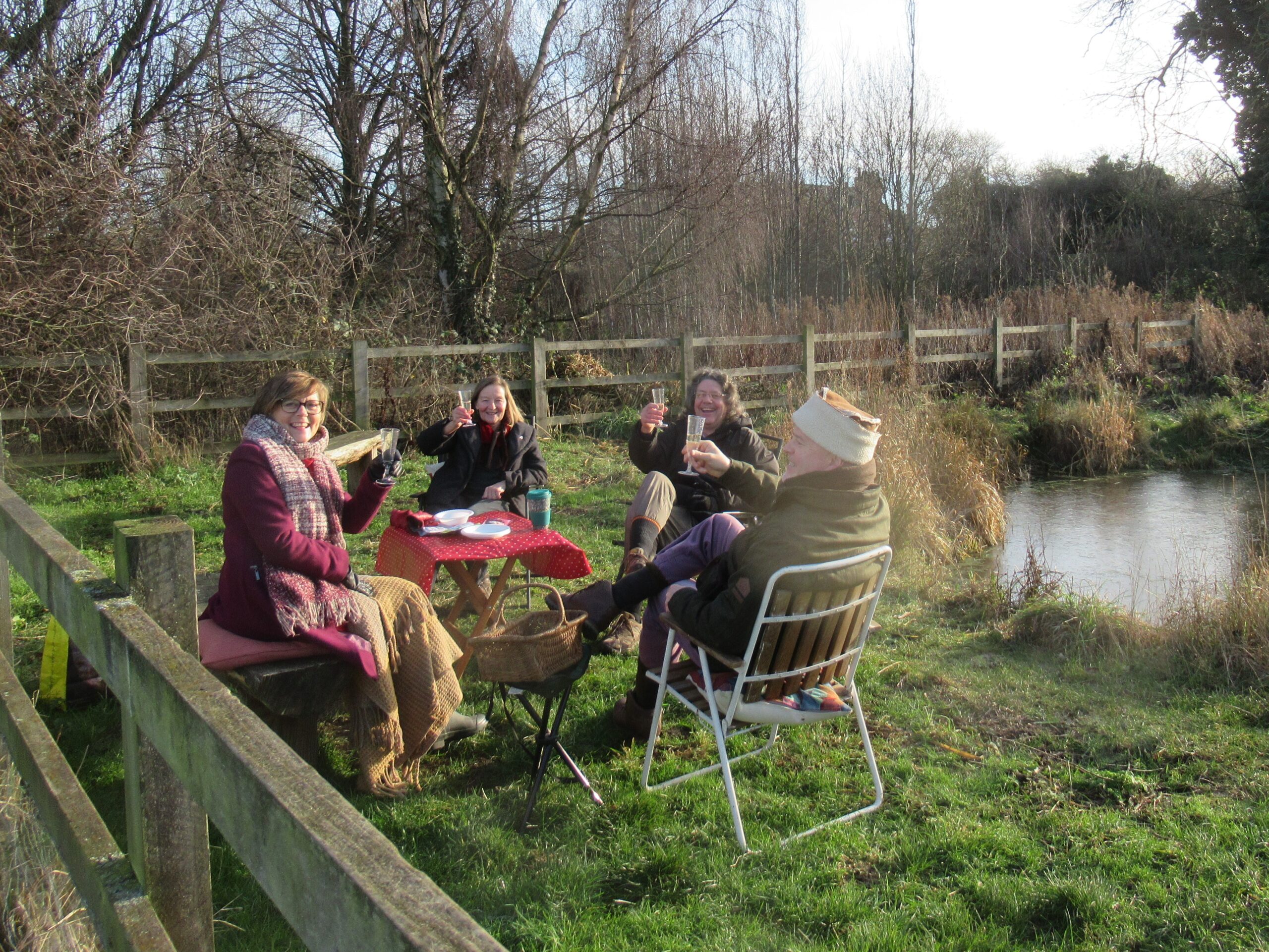
Cheers!
Snapped on Christmas day, local residents enjoying a socially distanced outdoor celebration by the wildlife pond.
Wildlife Pond December 2020
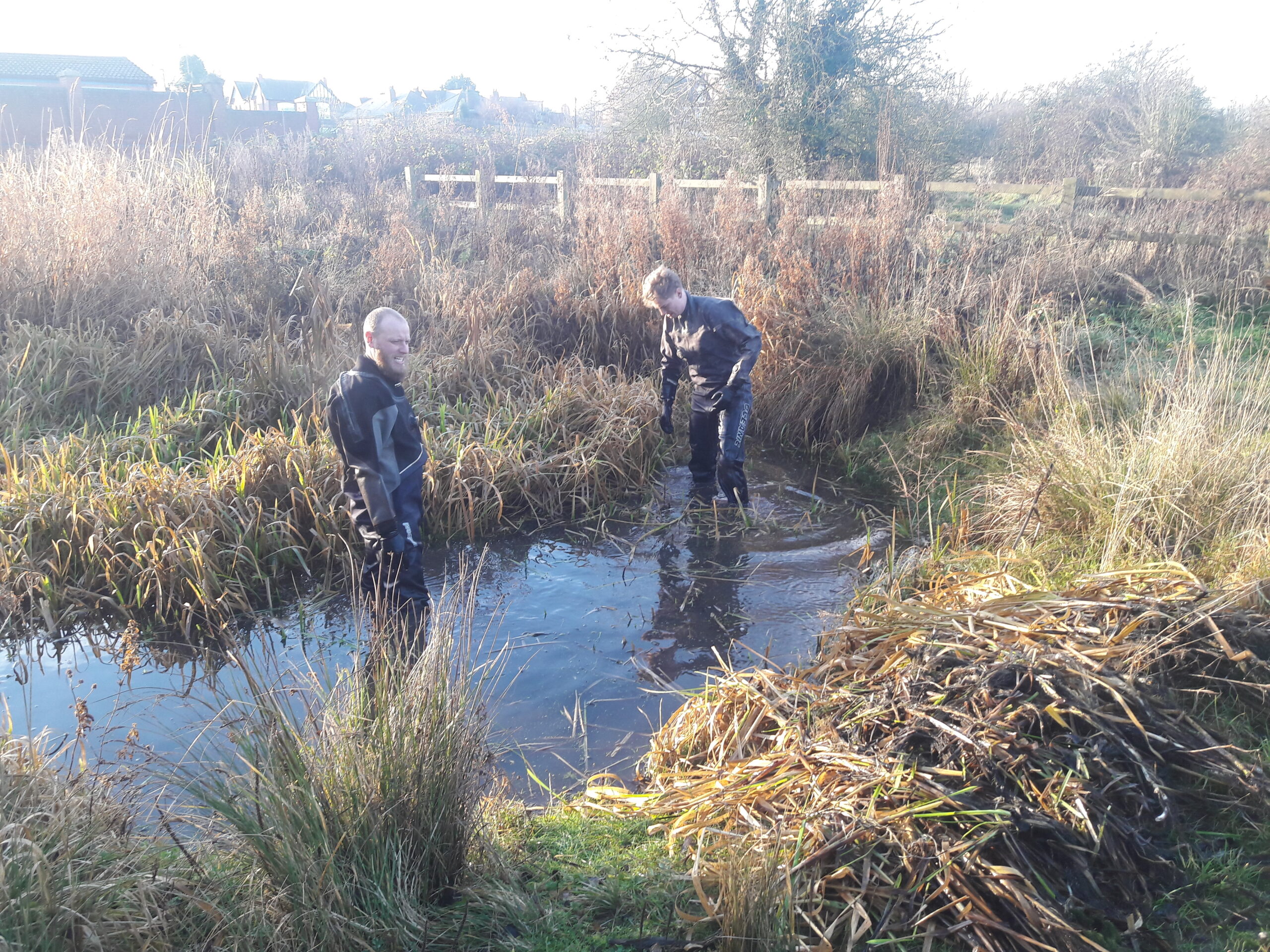
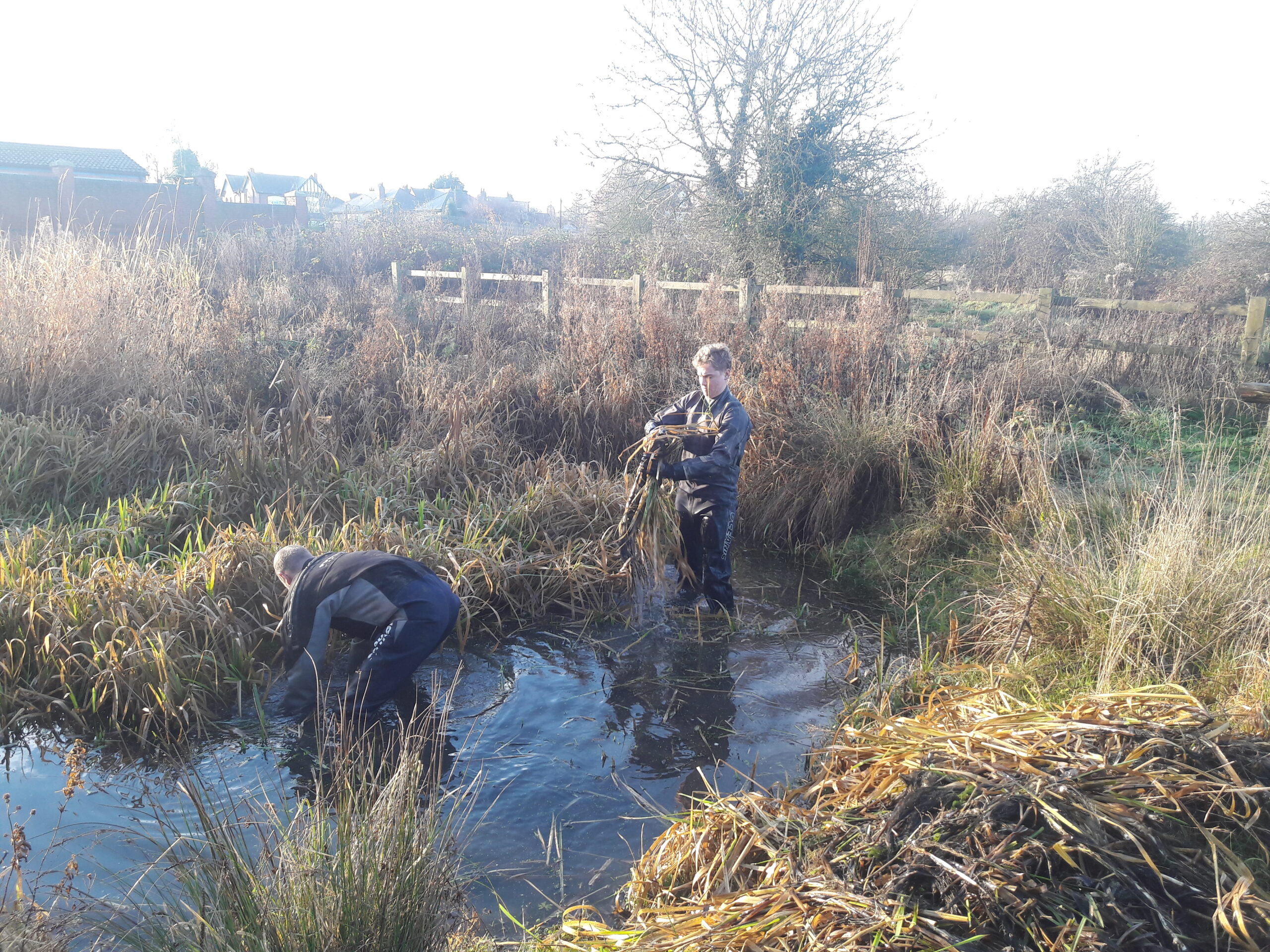
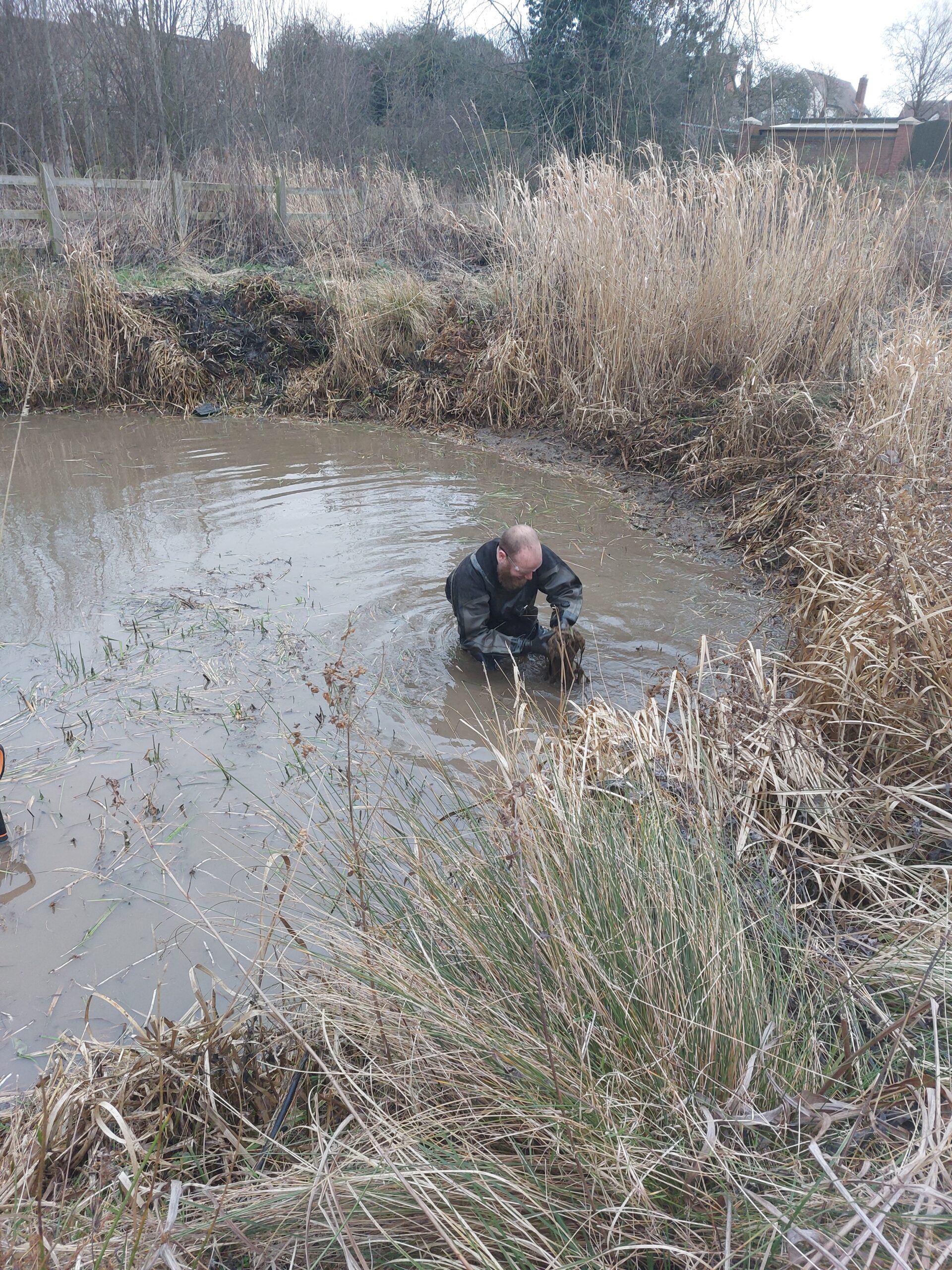
The pond has been cleared of weed – for now. EMEC contractors donned their dry suits and got into the pond to pull up as much of the reeds as they could. They discovered a mass of rooted rhizomes in the centre, so they are working out how best to tackle that without damaging the liner.
The reeds grow from wind-blown seed, so it will need ongoing maintenance, however, pond dipping will be possible next year. Thanks to Lady Bay Community Fund for their earlier donation towards this work.